Rhoda with her brother, Albert Fisher, in Street, Somerset, August 1939.
Photo credit: Family picture
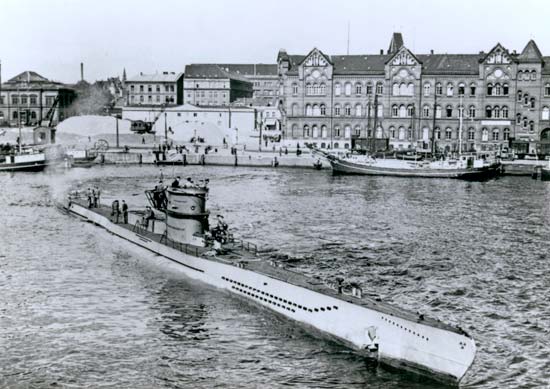
My grandmother, Rhoda Thomas, was a passenger aboard the British liner Athenia when the ship was torpedoed by a German submarine Sept. 3, 1939, at the start of World War II. She survived the attack, was rescued, and returned home to her family in Rochester, NY, where she later wrote an account of these events she titled “Experiences of an Athenia Survivor.” My next several blogs will be devoted to Rhoda’s story, in her own words.
July 29, 1939, I sailed on the new Mauretania from New York. It was with some misgivings that I said goodbye to home and family, especially my husband. As the ship sailed out of New York, something seemed to rise up and choke me and I wished I had never made up my mind to go. I felt like walking off the ship and returning home. Perhaps it was a foreboding of the terrible happenings that were to follow. However, it passed, and I soon found myself getting acquainted with my cabin mates and other passengers, and telling myself how foolish I had been to allow such a state of mind to possess me.
Rhoda arrived in England August 5th and was met by her brother and niece. They drove back to Street, the town in southwestern England where she had been born and raised. There she spent nearly three weeks gathering with relatives and old friends, enjoying shopping, teas, days at the seaside, and driving trips to the country.
The time passed all too quickly. Our conversation and talks at time would center on topics concerning the possibility of war, and very few were of the opinion that there would be war. They had passed through such a crisis a year ago, worse than this and were sure a peaceful settlement could be reached. Therefore, they refused to worry over Hitler’s claim to Danzig and the Polish Corridor. England was negotiating with Russia and all in all they were sure Hitler would be afraid to start anything against such a powerful opposition. Then August 24, just like a thunderbolt, the news came that Germany had signed a non-aggression pact with Russia.
It was like a stab in the back for the English people. They seemed stunned, speechless, not knowing whether to blame their government or lay it to the treachery of Hitler and his aids. But one thing was certain: that was war was inevitable.
In my next blog, advice from the U.S. Embassy sends Rhoda scrambling for passage back to America.
Contact Tom for speaking engagements: tomsanger@msn.com
Without Warning on Amazon: http://bit.ly/WithoutWarningonAmazon
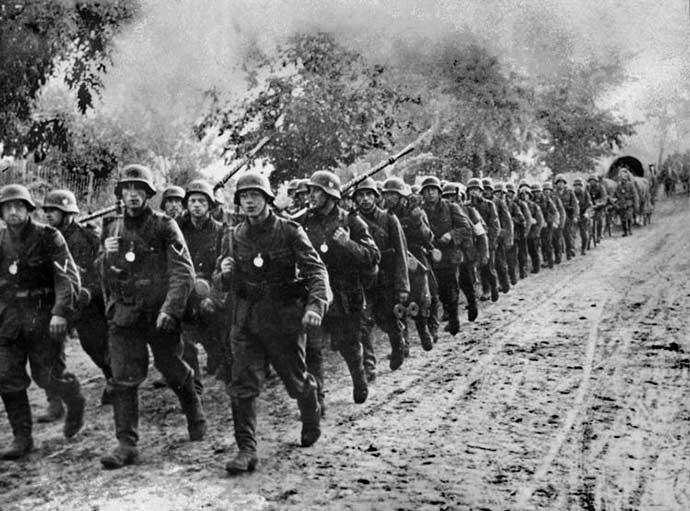
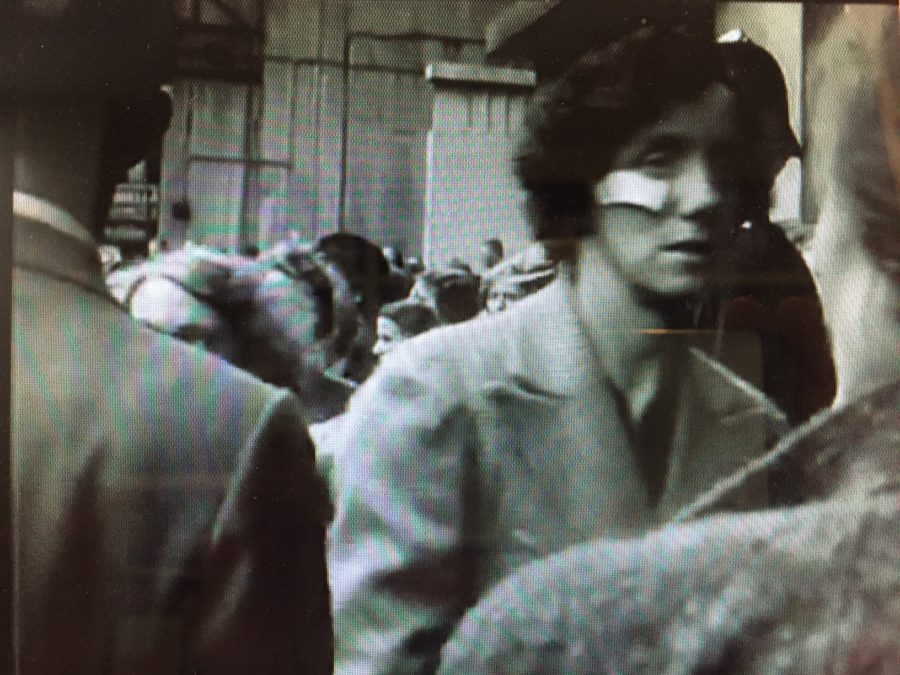
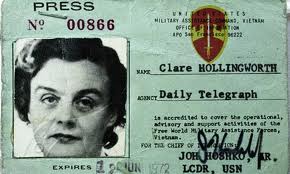 Clare Hollingworth, a British journalist whose career as a war correspondent spanned more than four decades, died earlier this month in Hong Kong at age 105. She covered conflicts from Europe to the Mideast to Vietnam, but it was her reporting during her first week on the job that became the touchstone of her career and the reason for this blog’s interest in her.
 The end of the year typically is a time to reflect on the twelve months just passed.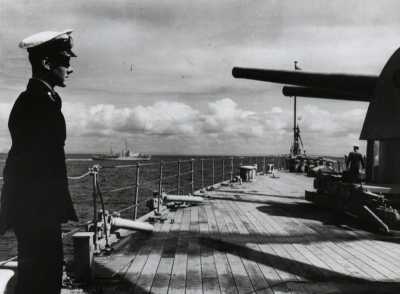
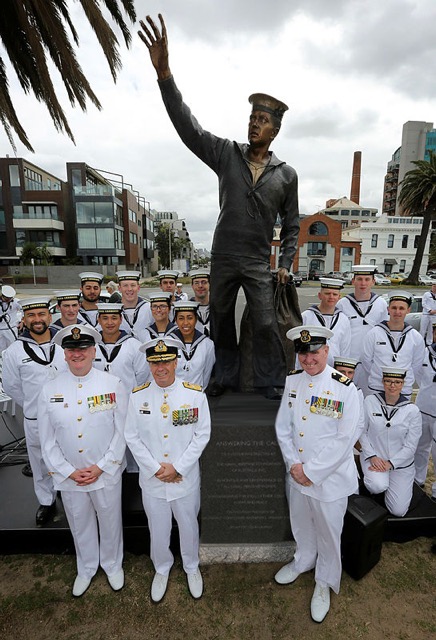 Several years after retiring from the navy, Mac started “Ahoy,” helping to preserve the memories of both service men and women and civilians caught in the whirlwind of war.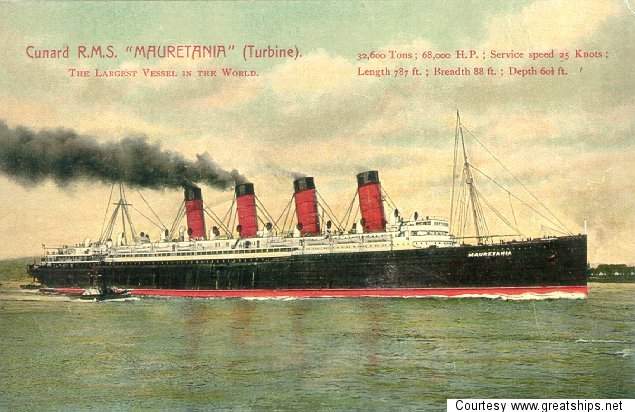
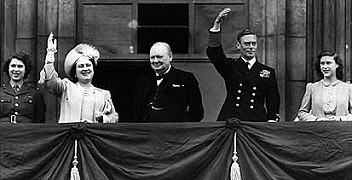 Where was the British Royal Family throughout World War II?